

The Rise of Biohacking: Is It the Future of Personal Fitness?
Fitness isn’t just about going to the gym anymore. Today, a growing number of people are turning to biohacking—a blend of science, technology, and self-experimentation—to push their physical limits and optimize performance. What started as a fringe movement is now entering the mainstream, with everyone from Silicon Valley executives to everyday gym-goers experimenting with everything from wearable tech to nootropics. But is biohacking just a trend, or could it be the future of personal fitness?
What Is Biohacking?
At its core, biohacking is the practice of using science and technology to make your body function better. That could mean tracking sleep patterns with wearable devices, following strict dietary protocols like intermittent fasting, or even trying supplements that claim to improve brain function. While some forms are pretty basic, others dive deep into DIY biology—injecting peptides, trying out genetic testing, or experimenting with hormone levels. The goal? To be faster, stronger, smarter, and healthier through conscious self-optimization.
Wearable Tech: The Gateway to Biohacking
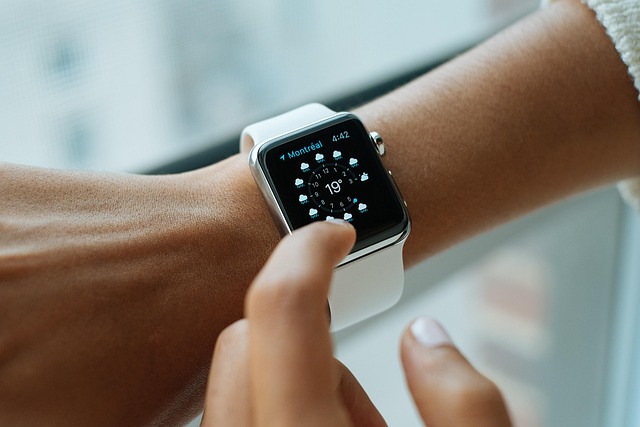
One of the most accessible forms of biohacking is wearable tech. Devices like fitness trackers, smartwatches, and continuous glucose monitors give users real-time data about their bodies. From heart rate and sleep quality to oxygen levels and stress markers, this information helps people make smarter decisions about training, recovery, and daily routines. The ability to “see” what’s happening inside the body is a game changer for personal fitness.
Diet and Supplements: Fueling Performance From the Inside Out
Nutrition has always been a pillar of fitness, but biohackers take it to the next level. Custom meal plans based on DNA testing, micro-dosing vitamins, and using nootropics or adaptogens are all common practices. Supplements like creatine, magnesium, or MCT oil aren’t new, but they’re now being combined with advanced biomarker tracking to personalize intake. The result is a more precise way to fuel the body, improve focus, and recover faster.
Mental Fitness: The Overlooked Element of Biohacking
While physical gains often take the spotlight, biohackers are increasingly focusing on mental performance. Meditation apps, brainwave-stimulating devices, and cognitive-enhancing supplements are part of many routines. Mental clarity, focus, and emotional resilience are just as important in personal fitness as physical strength, especially for those juggling demanding work and personal lives.
Is Biohacking Safe for Everyone?
Despite its exciting potential, biohacking isn’t without controversy. Some techniques, like extreme fasting or injecting unregulated substances, can be risky without medical supervision. While data-driven approaches can improve fitness outcomes, they’re not always one-size-fits-all. Experts often recommend starting with basic habits—like improving diet and sleep—before diving into more advanced biohacks. It’s crucial to approach biohacking with a critical mind and a solid understanding of your own body.

Sleep and Recovery: Hacking Rest for Better Results
Recovery is just as important as exercise, and biohackers are finding ways to optimize it. Blue light blockers, cold plunges, red light therapy, and even smart mattresses are all tools used to improve sleep quality and speed up muscle repair. With biohacking, sleep isn’t seen as passive downtime—it’s an active part of the fitness equation. Better rest means better performance.
Conclusion: A Personalized Fitness Future?
Biohacking might sound futuristic, but in many ways, it’s already here. As technology becomes more accessible and health knowledge grows, more people are using personalized tools to take control of their fitness journey. While not every biohack will work for everyone, the movement is reshaping how we think about health, wellness, and human potential. Whether you’re a weekend warrior or a high-performance athlete, biohacking offers a glimpse into a future where personal fitness is truly personal.…
Read More
